ADHD Symptoms in Children: Early Signs Parents Should Know
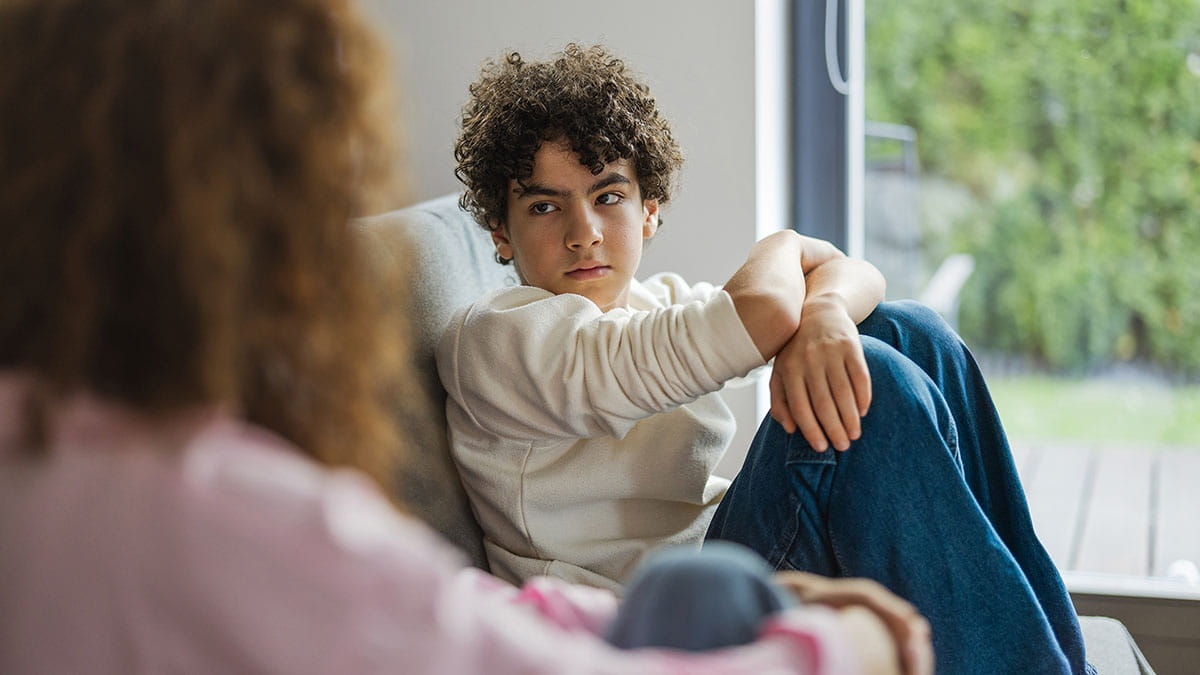
Has Your Child Been Showing Signs of ADHD?
Have you observed your kid being inattentive or getting irritated quickly? Your kid may have ADHD and it needs awareness or knowledge of symptoms of ADHD (Attention Deficient Hyperactivity Disorder).
What is ADHD and How It Affects Children
ADHD stands for Attention Deficit Hyperactivity Disorder. Functioning and working of the brain is different in these kids, their changed behavior and problems in maintaining and keeping relationships healthy like friendships and interaction with community and society.
Any deficiency of emotional and psychological stability and self control affects the behavior and chemistry of the kid . He or she acts differently. Parents are not solely responsible for developing ADHD in kids. It is a neurodevelopmental disorder. It is a collection of disorders starting from childhood. ADHD is the main cause of getting poor grades, inattentive and impulsive behavior.
Kids behave differently in the same distressful situation, some get nervous and some get strength and motivation to act bravely.
Kids are part of this society or community, if kids behave abnormally, it does not mean that he or she will be treated in an abusive manner or there should not be any negative expression that may affect his or her personality badly. He or she gets isolated or becomes a non-productive part of this society. He or she needs care and attention together with treatment and counseling to be a part of a healthy community.
In this pillenshop.org blog, I will explain symptoms of ADHD, early signs parents must know.
Symptoms of ADHD in Children
ADHD symptoms in children start before the age of 12 years. These symptoms may appear at an early age of 3 years, these symptoms may be mild, moderate or in some cases, these symptoms may be severe. In these symptoms, there may be severe inattention, this inattention affecting the attitude and behavior of kids severely.
Severe and Impulsive ADHD
In some cases of ADHD symptoms in children, ADHD in severe forms affects the impulsive behaviour of kids. This is a severe form of ADHD in which a kid may be hyperactive and impulsive very much, affecting his or her mind negatively, leading to personality disorders. These mental and behavioral disorders need therapy and counseling of psychotherapists. Acting without thinking is an expression of impulsive behaviour.
Mixed form of ADHD
ADHD symptoms in children may be mixed (combined) in form psychological and impulsive. Both psychological and impulsive behavior affect the mind of a kid. There is a fusion of inattentive attitude and impulsive behavior. In these symptoms, any abnormal habit or attitude that makes him exceptionally abnormal is included. He or she becomes inattentive, if given instructions, he does things but with poor management. He is unable to absorb guidelines.
Behavior Changes In Accomplishing Task
He feels discomfort in accomplishing tasks, be it home work or any other problem solving tasks. He gets emotional quickly, he gets distracted without any reason. He gets the bad reputation or expression about his impulsive attitude destroying his personality for future endeavors. He gets upset or impulsive easily, thinks negatively even to the extent of commiting suicide. All these behavioral changes are found in ADHD symptoms in children.
Difficulty in Doing Multitasking Jobs
He is unable to do multitasking jobs, be it school or home. He gets depressed about getting poor grades in the class and other playing activities. He explodes with anger to the last extent that everyone gets scared to see his negative impulsive behaviour. Abnormality or overthinking destroys his/her mind and body greatly. ADHD symptoms in children have abnormal behavior and activities that cause difficulty in doing multitasking jobs.
Signs of ADHD
He gets distracted easily. He takes risks without knowing consequences. He has issues of forgetting things and talks meaninglessly and excessively. He makes mistakes unintentionally. With signs and symptoms, he leads an abnormal life with no purpose in life. He needs care and parenting to survive these toxic signs of ADHD. These signs reflect that ADHD is in active form. ADHD symptoms in children have these signs causing Attention Deficient Hyperactivity Disorder.
Child Behavior Problem
With ADHD, a child has an eccentric behavior that needs parenting strategies and counseling to make him a normal child. He has a complex nature of problems be it bed time, home work and social gatherings. He needs emotional support and encouragement to compete with other students and kids. Child behavior problems should be the first priority to make them part of a growing society. ADHD symptoms in children have abnormal behavior to do daily routine tasks.
Hyperactivity symptoms
In these hyperactive symptoms, there may be harmless responses to boredom and stress. These responses may indicate some health issues. His response is so quick that he does not listen to the question fully. He reacts to questions without understanding them. He finds boredom is the most annoying feeling. He prefers smaller rewards to big rewards. He always tries to find motivation.
Treatment of Hyperactivity
In treating ADHD symptoms in children hyperactivity, the first step is education and training of parents. Treatment with stimulants and without stimulants. There is a need to have a routine for ADHD kids. Help them in grooming and educating. Help them to get organized to put things in their proper place, encourage them and make them strong. Help the kids to deal with challenging situations. These challenging situations can be exam tests or playground games.
Medications and Behavior Therapy
Treatment with medications and behavior therapies helps the kids to have constructive behavior for mental development. Give them praise and reward. Medicines prescribed by the therapist have effective results. Help the kids in developing healthy habits of eating and sleeping. Making eye contact and gently touching their arms and shoulders help reduce ADHD symptoms.
ADHD Diagnosis in Children
Children with ADHD have the symptoms of paying attention fully, holding attention properly and at playing and studying. Kids with ADHD have listening and organizing deficiency skills. They cannot perform well in organizing and accomplishing tasks. Forgetfulness or inattentive behaviour are symptoms that help to diagnose ADHD. He is unable to focus, he forgets to put pencil, books and copies in the school bag.
Problems Faced by Child with ADHD
He feels difficulty in taking part in leisure activities. His hands and feet tap involuntarily. He is talkative. He gets frustrated while standing in the queue. He cannot wait for his turn. Mood disorder, dissociative pattern of behaviour and personality disorder are few problems associated with ADHD.
Neuropsychologist and Psychiatrist
An evaluation made by a neuropsychologist is the only standard to diagnose ADHD.
Other than neuropsychologist any medical practitioner or health giver like pediatrician, psychiatrist and psychologist just can evaluate not diagnose ADHD. The best diagnosis and evaluation can only be done by a neuropsychologist.
ADHD Causes
ADHD symptoms in children have multiple causes including genetics, environment and problems associated with the central nervous system. Changes in genetic make up, be it in DNA or Chromosome may be one of the causes in development of ADHD. Affected genes cause the brain to develop disorders leading to ADHD. Mutation in genes changes structural change in chromosomes and development of the brain abnormally causing ADHD.
Environmental Causes
Environmental factors, deficiency of zinc, omega-3 fatty acids and iron cause ADHD in children. Exposure to heavy metals, lead and mercury is one of the major factors affecting barin structure and function. With these, smoking, consumption of alcohol, exposure to lead, air pollution, childhood trauma at an early stage, poverty and abusive parenting all cause ADHD.
ADHD Treatment in Kids learning at School
In treating ADHD, medicines, behavior therapy, counseling and education about ADHD are key factors to treat ADHD. In behavior therapy, training of parents, in the classroom, teachers employ techniques like visual aids and holding dialogue among students to know about ADHD.Individual attention and counseling are important to treat ADHD.
Awareness and Education
Awareness and education play an important role in treating ADHD. The role of parents and teachers is of great importance for diminishing the effects of ADHD. Awareness must be provided to students, this awareness helps them learn to withstand ADHD. Awareness about ADHD is the core element for parents and teachers for treatment . Educating all including parents, teachers and students hold key importance to fight off the negative effects of ADHD.
Attention Deficit Symptoms
Inattentive, paying little or no attention, distraction with ease, inattentive attitude and forgetfulness are few symptoms of ADHD. Feeling of restlessness and talkative behavior, poor grades and poor management and emotional fatigue, quick expression of anger are few attention deficit symptoms.
Conclusion
ADHD is a neurobiological disorder of the brain. Learning of symptoms and behaviors helpful in treating ADHD.Treatment includes taking medicine, adopting behavior, counseling and providing education about this disorder. Behavior changes, medication by neuropsychologist is the best standard to diagnose ADHD. Genetical, neurobiological and environmental factors are important to consider. Education of both parents and students about ADHD is helpful for better understanding of neurobiological disorders, which is called ADHD.
FAQs
1) What are the first subtle signs of ADHD in toddlers?
Inattention, impulsivity and hyperactivity are few signs of ADHD in toddlers.
2) How can parents distinguish normal hyperactivity from ADHD?
Parents can distinguish normal hyperactivity from ADHD.
Hyperactivity is the higher amount of energy that is controllable while ADHD is an expression of high energy with inattention, forgetfulness and organizational difficulty.
3) Are attention issues in school always a sign of ADHD?
No, all attention issues in school are not a sign of ADHD. Issues in ADHD are more complicated than inattention issues at school.
4) Can ADHD symptoms appear differently in girls vs boys?
Yes, ADHD symptoms appear differently in boys and girls. Boys are hyperactive while girls are more inattentive.
5) What early behaviour pattern suggests ADHD before age 7?
Inattention, trouble in emotion regulation, distraction and impulsivity are early pattern behaviour
before the age 7 suggests ADHD .
6) How does impulsivity manifest in preschool aged children?
In preschool aged children, impulsivity is manifested through excessive use of social media, misuse of drugs, gluttony, gambling and aggression.
7) Are frequent mood swings linked to ADHD in kids?
Frequent mood swings cannot be linked to ADHD in kids, mood swings can be a sign of other mental disorders.
8) Can sleep problems be an early indicator of ADHD?
Yes, sleep problems, insomnia and restless syndrome can be an early indicator of ADHD.
9) How do parents track attention span to spot ADHD early?
Parents track attention span to spot ADHD early. Parents set the time duration of minutes for each year. Four to ten minutes is a set standard for a two years old kid, six to fifteen for three years old, eight to twenty minutes for four years and so on.
10) Are there genetic factors that show ADHD signs in young children?
There are genetic factors that show ADHD signs in young children. From parents, genes of ADHD can be transferred to the brains of neonates. Family history of ADHD increases the chances of developing ADHD. DRD4 and DAT1 are gene variations linked to regulation of dopamine. Variations can be transferred from either parent.
Medical Disclaimer
The information in this article is for educational and informational purposes only and is not a substitute for professional medical advice. ADHD (Attention Deficit Hyperactivity Disorder) and related neurodevelopmental conditions should be evaluated, diagnosed, and treated by a qualified healthcare professional. Parents, teachers, or caregivers should consult a licensed doctor, neuropsychologist, or pediatric specialist before starting any medication, therapy, or behavioral intervention. Any references to child behavior or attention are strictly for medical and educational discussion.
You Might Also Like: Alternatives to Sleep Medications